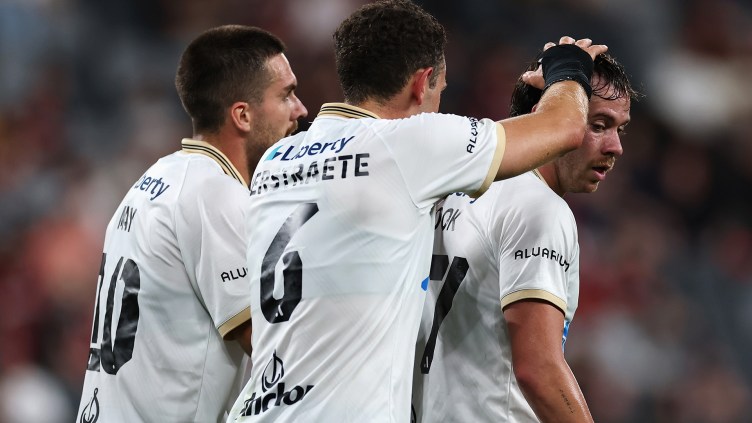



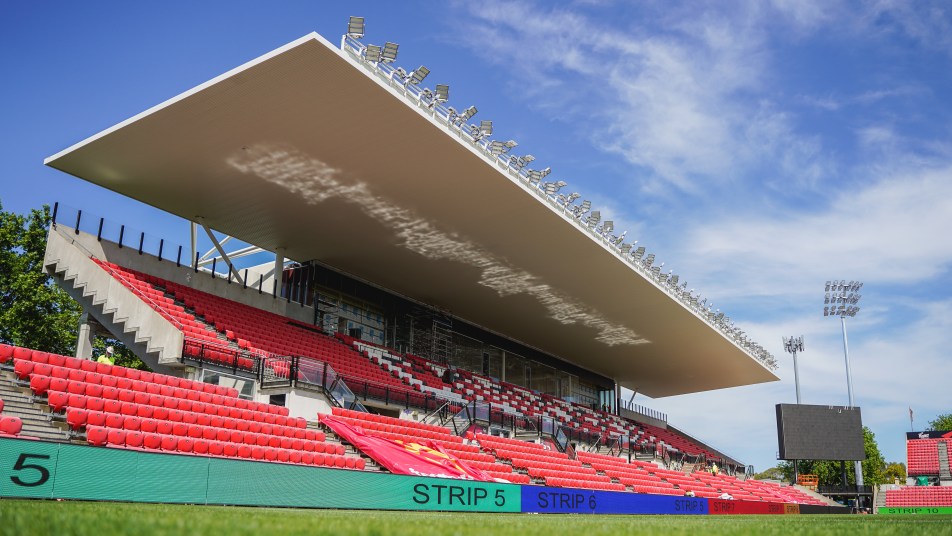
The details matter as A-League clubs bid to make home games feel as tribal as possible, writes Tom Smithies
The best football grounds pull you closer like a force of nature. On matchday as you walk towards those stadiums, the unique sights and sounds tell you where you’re heading, and quicken the step as you get closer. For the home fans it’s the familiarity of your place; for the away supporters, it’s the thrill of enemy territory. Either way, it’s at the heart of the tribalism of supporting a team.
At Liverpool, players tap the This Is Anfield sign in the tunnel but for the supporters it’s the narrow terraced streets around the stadium and the Shankly Gates that tell them where they are. In Munich, the Allianz Arena glows like an illuminated tyre as you emerge from the nearby subway station; in Milan, the sight of the twirling towers of the San Siro presage an occasion of Milanese football.
In a country where most of the stadiums are shared and clubs are tenants, the challenge is greater to make game-day as tribalistic. Which is why some of the detail of the redevelopment of Coopers Stadium matters as Adelaide United move back in this weekend.

It is, of course, rather easier to personalise a venue where you’re the only tenant, and United have always had red seats. But while much of the work done on the stadium has been to improve the fan experience (more food outlets, better lifts etc), there are clever touches – like the local council relaying pavements on surrounding roads and installing flagpoles, so that Adelaide United livery festoons your walk to the ground.
The players’ tunnel and two of the four revamped dressing rooms at Coopers have permanent photographic reminders of whose manor you’re in, and those visual clues are vital. At the Etihad Stadium in Manchester, for instance, the players’ warm-up area faces pictures of City fans, to remind the players who they’re playing for.
Across the Isuzu UTE A-League, clubs are working to ensure there’s no place like home. The state-of-the-art structure of Allianz Stadium can change colour at night to reflect Sydney FC’s Sky Blue, both on the outside and throughout the concourses and aisles, and many of the seats fortuitously are permanently that shade as it’s the colour of NSW. As befits the upwardly mobile brand of the most successful club in the competition, Sydney parades its trophies before home games on the stadium approach for fans to take silverware selfies.

That’s the point of each club having its own identity, and using that to emphasise the tribalism. After years of trying to take over the management of Central Coast Stadium from the local council, the Mariners are instead working closely with Venues Live, the government agency now running their home ground, to make it visibly theirs – with the catchline that it is Our Paradise.
A large sign tells you as much on the drive past, and the palm trees that line one end are illuminated in yellow and blue each night. Signs proclaiming “Our Paradise” festoon the bridge going past the stadium and surrounding streets. That’s the core identity, visible every day; on game day the club is planning to smother the stadium precinct in its own livery and host events such as street football matches.
So much of football culture is visual, and drives a sense of belonging. Adelaide’s supporters will undoubtedly feel their paces quicken as they approach Coopers Stadium on Sunday for the first home game of the season in the revamped venue. There’s no place like home.