

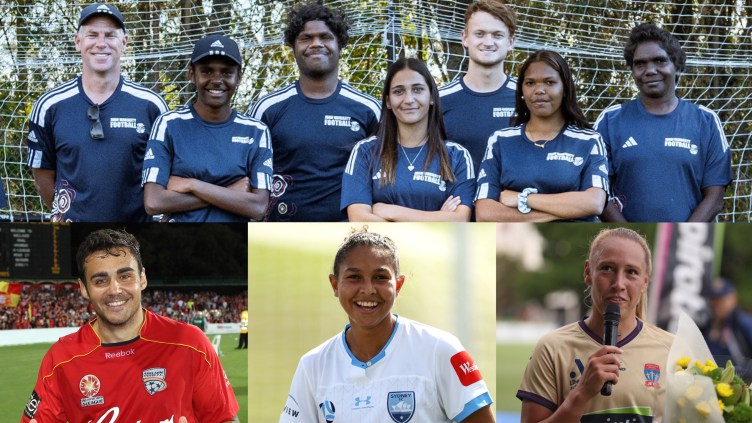
This week is Indigenous Football Week, run by John Moriarty Football.
To mark the occasion, aleagues.com.au speaks to several A-Leagues alumni helping JMF achieve its life-changing mission – and to the young Indigenous coach at JMF who dreams of coaching the Matildas.
This week A-Leagues will be celebrating Indigenous Football Week and the incredible work John Moriarty Football does. You can help change the life of Indigenous kids in remote Australia through football by donating to JMF -> www.jmf.org.au
Donate to John Moriarty Football today
READ MORE: ‘Fire in my belly’ fuelling young Adelaide duo to inspire next gen of Indigenous footballers
Travis Dodd still remembers flying into Borroloola more than 10 years ago, and having his eyes opened to John Moriarty Football’s capacity to change lives.
Back then, JMF was a pilot program, teaching football skills to 120 children in the remote Northern Territory town where John Moriarty OAM – the first Indigenous man to be selected in a senior Australian international squad – was born.
Today, more than 5,000 kids from 18 remote communities across Australia take part in JMF clinics; it’s a program that, as revealed in new research from Deloitte Access Economics, is truly transforming the lives of the Indigenous children in Australia.
Dodd, a Ngarrindjeri, Narrrunga and Kaurna man, can hardly believe what JMF has turned into today, as he thinks back to when he first landed in Borroloola to have his perspective altered forever.
“I’ve seen how far the program has come,” Dodd told aleagues.com.au.
“Starting with 120 kids at Borroloola, to now be in multiple states, across schools and in regional communities and have touchpoints with over 5,000 kids, it’s unbelievable.
“I’ve known John for a number of years. Talking about his life growing up and what football meant for him and how it provided opportunities for him, to be able to have a program now that’s doing that for thousands of kids, it’s so good.
“It’s fantastic that the kids are playing football, but it’s also the education piece. It’s the health and well-being that is so much more importaindnt. Sport and football is just the vehicle to try and engage the kids to help them develop into young adults.”
Donate to John Moriarty Football today
READ MORE: ‘Fire in my belly’ fuelling young Adelaide duo to inspire next gen of Indigenous footballers
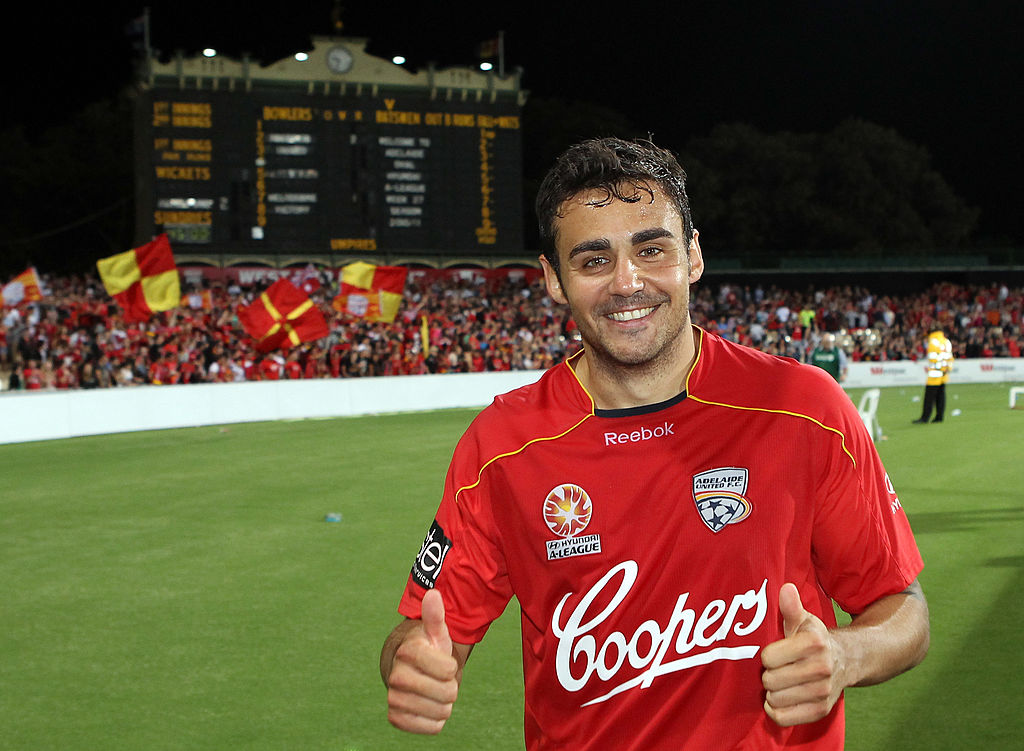
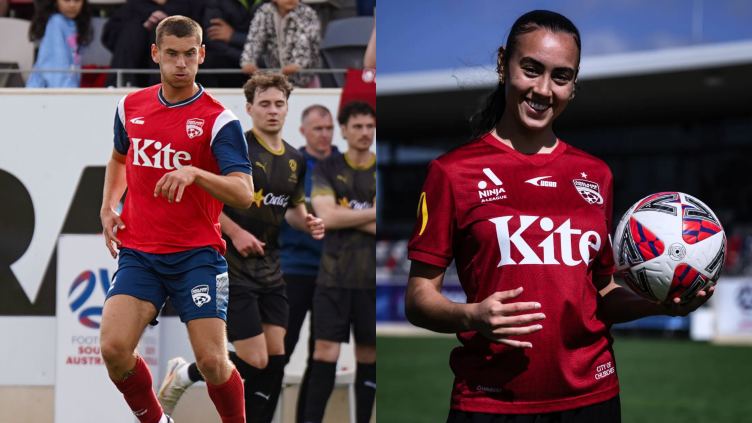
Dodd is one of several past and present Indigenous A-Leagues stars to have helped JMF transform into what it is today since its inception in 2012.
Together with the likes of former Ninja A-League stars Allira Toby and Gema Simon, as well as active professional footballers David Williams and Jada Whyman, the growing contingent of A-Leagues alumni take part in JMF clinics and serve as mentors within the Indigenous football ecosystem.
New research from Deloitte Access Economics has highlighted the impact JMF is having in regional Australia, with some of the key findings including:
- 53% of educators reported an improvement in students’ fundamental movement skills as a benefit of the program in 2024
- 72% of female student survey respondents indicated they felt excited or happy about attending school on JMF days
- School students are attending 1-2 days extra each week, where previously they would have been absent due to JMF clinics
- 60% of JMF participants and 43% of coaches are women
- 74% of coaches are Indigenous and local to the community in which they run JMF clinics
Kanolu and Gangulu woman Allira Toby, formerly of Canberra United, Sydney FC, Adelaide United and Brisbane Roar, is a JMF ambassador and scholarship mentor.
Donate to John Moriarty Football today
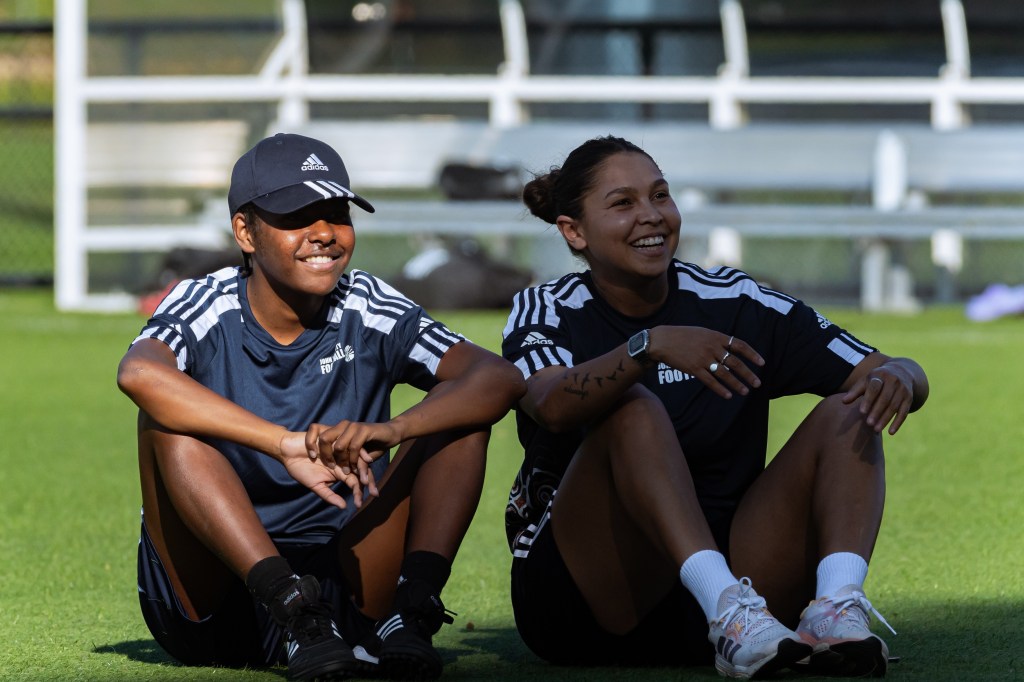
Upon reading the figures relating to female participation in JMF programs, Toby was elated. Having grown up without a role model to look up to in football, Toby is proud to play that role to the strong contingent of girls taking part in JMF clinics, and the women who run them.
“I say this far too often but representation is everything,” Toby told aleagues.com.au.
“I didn’t have that when I grew up. To have the Aboriginal and Torres Strait Island people on TV, in the game and around the game is so important, to be able to break stereotypes and provide confidence, and a bit of empowerment to our kids and our communities that we are here, we’ve done it and it is possible.
“With this report from Deloitte, the impact we have is clear. It really does highlight and speak to what the foundation is really about at its core: equality, inclusivity and providing pathways to both men and women. It really can’t get much better than that, that we are providing the space for women to feel they can be there as well as the kids.
“The report shows 74% of our staff are local, Aboriginal and Torres Strait Island community members, which is so important.
“Students attending school 1-2 extra days a week is also an incredible stat. It really does show the impact we have off the field in terms of what we’re providing these kids in communities, and finding a way to get our kids to school is one thing, but keeping them there is another.
“The depth and growth that we have and the connection we have in communities with kids is so important for getting them to school and keeping them there.”

Donate to John Moriarty Football today
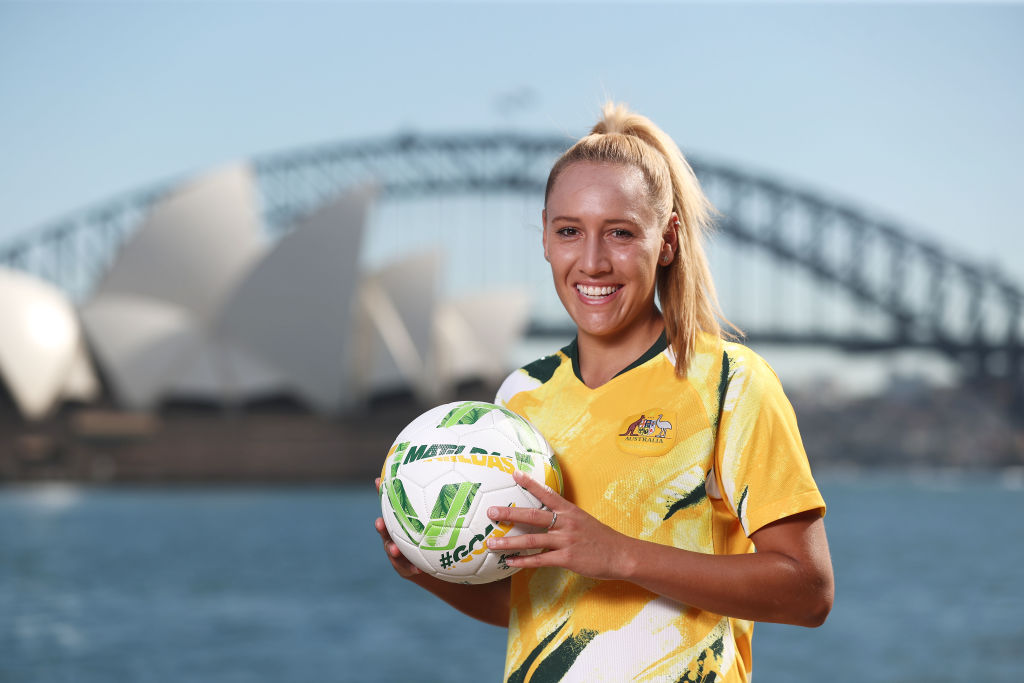
It’s as a scholarship mentor that Toby can use the experience gained over her 15 years as a Ninja A-League forward to inspire – as can 11-cap CommBank Matila and former Melbourne Victory and Newcastle Jets defender Gema Simon, who has contributed to JMF by running clinics and mentoring coaches.
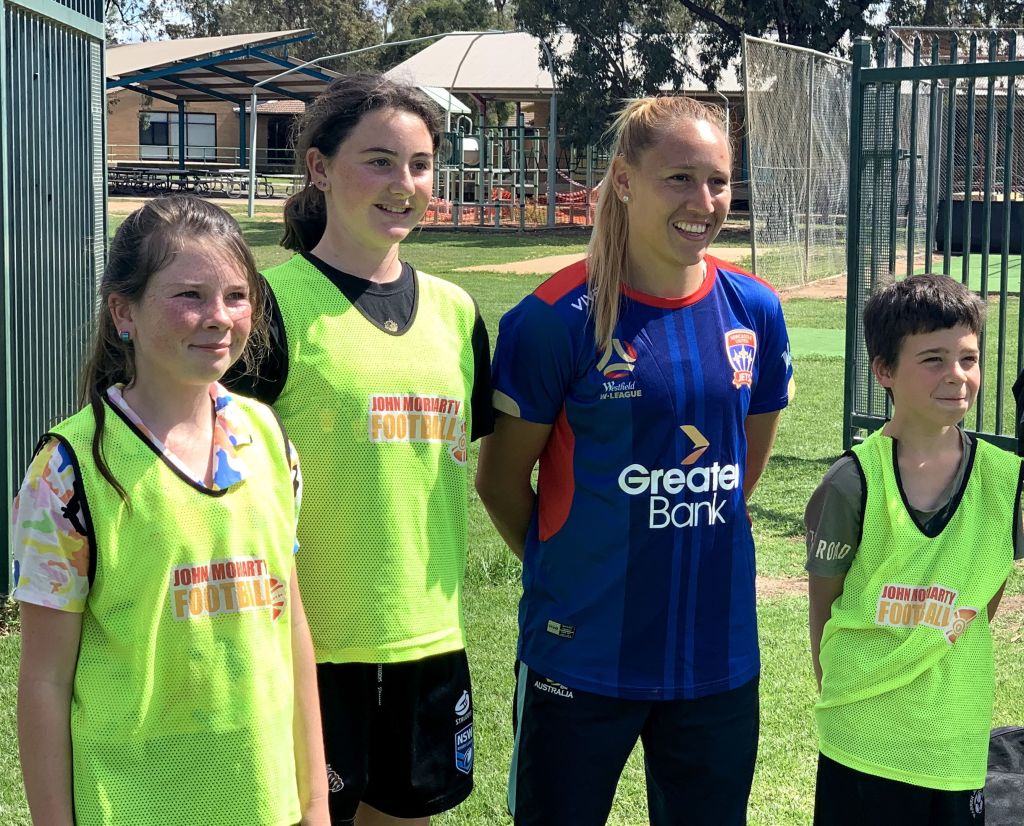
A proud Gumbaynggirr woman, Simon also gives back to Indigenous comunities in Australia through her own charity, the Baynyi Foundation, which works to improve health outcomes and provide education pathways for Indigenous people, as well as increasing participation in sport.
“It’s pretty incredible to be able to have an impact on the next generation coming through,” Simon told aleagues.com.au.
“I didn’t come from a family that had a lot of money; we didn’t have a lot of opportunities. But it doesn’t matter where you come from, it doesn’t matter what you do, it doesn’t matter your background once you get on the field.
“With so many players now out in the community and giving back through JMF or their own foundations, they’re laying the platform to show that it’s possible. It doesn’t matter what walk of life you come from, if you’re actually willing to commit and sacrifice some things that you may not want to, then you’re going to give yourself the best chance.”
READ MORE: ‘Fire in my belly’ fuelling young Adelaide duo to inspire next gen of Indigenous footballers
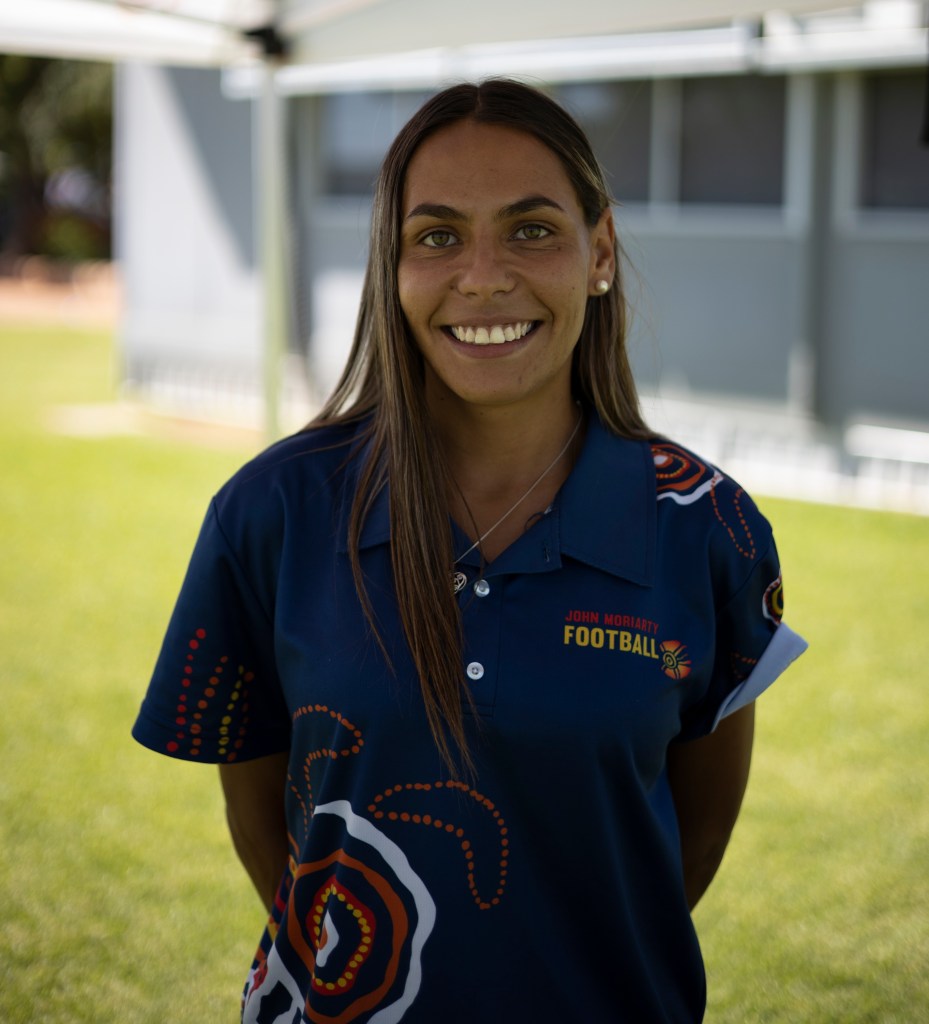
Simon’s words of encouragement rang true for Wiradjuri woman Tiffany Stanley, who joined JMF in 2019 as a community coach. Six years later, Stanley is a head coach and mentor for the program in Dubbo, New South Wales.
Throughout her years at JMF, Stanley has leaned on the likes of Simon, Toby and Matildas goalkeeper Jada Whyman for support and advice on her journey to becoming a senior coach in the program, as well as a member of the Indigenous Football Australia Council.
One of the few Australian females to have obtained a professional C level coaching license, Stanley wants to become the first indigenous woman to coach the Matildas.
What was once an unattainable dream is now a possible goal to pursue thanks to JMF, and the support of Indigenous mentors who have reached the top of the game in Australia, and are inspiring others like Stanley around the country to believe that it’s possible to hold and pursue lofty goals.
“We have Indigenous A-League players who are now helping and being a part of JMF – that’s made a really big impact in the remote areas,” Stanley told aleagues.com.au.
“Where I’m from we don’t have many opportunities to see Indigenous A-League players. Through JMF, the kids in our area have that opportunity. It’s a really good thing, showing that it doesn’t matter where you’re from, what cultural background you’re from, you can do anything you want to do. You just have to set your mind to it.
“I’ve worked alongside Jada Whyman a lot. She recently came out to Dubbo a few times, as well as Allira Toby and Gema Simon. The three of the ladies have come to Dubbo and I’ve worked with them.
“Getting my C license was challenging. When I first started at JMF I wasn’t the best at speaking loudly and clearly and was very nervous, but Jamie Morriss, one of the program managers, he helped a lot. He mentioned putting yourself in uncomfortable positions is only going to help you grow.
“Once I completed that, I felt like I could handle anything the world threw at me. I was very excited and proud of myself to achieve that.”
This year, the theme of Indigenous Football Week is “Transformation” – a word that can mean many different things to many different people. For Stanley, the theme relates directly to the six life-changing years she’s spent as a JMF coach.
“When I first started at JMF, let’s just say I wasn’t 100% mentally okay,” Stanley said. “I was in a dark place. I never thought you could be happy again.
“When you hit rock bottom, you don’t think life can get better. I knew I needed a change – that’s when I started at JMF.
“Being around all of the coaches and the mentors and listening to their stories, it gave me a perspective on life, on what I wanted to do and who I wanted to be.
“Transformation for me meant transforming my life. Now, my goal is to one day be the first Indigenous female Matildas coach.”
Donate to John Moriarty Football today
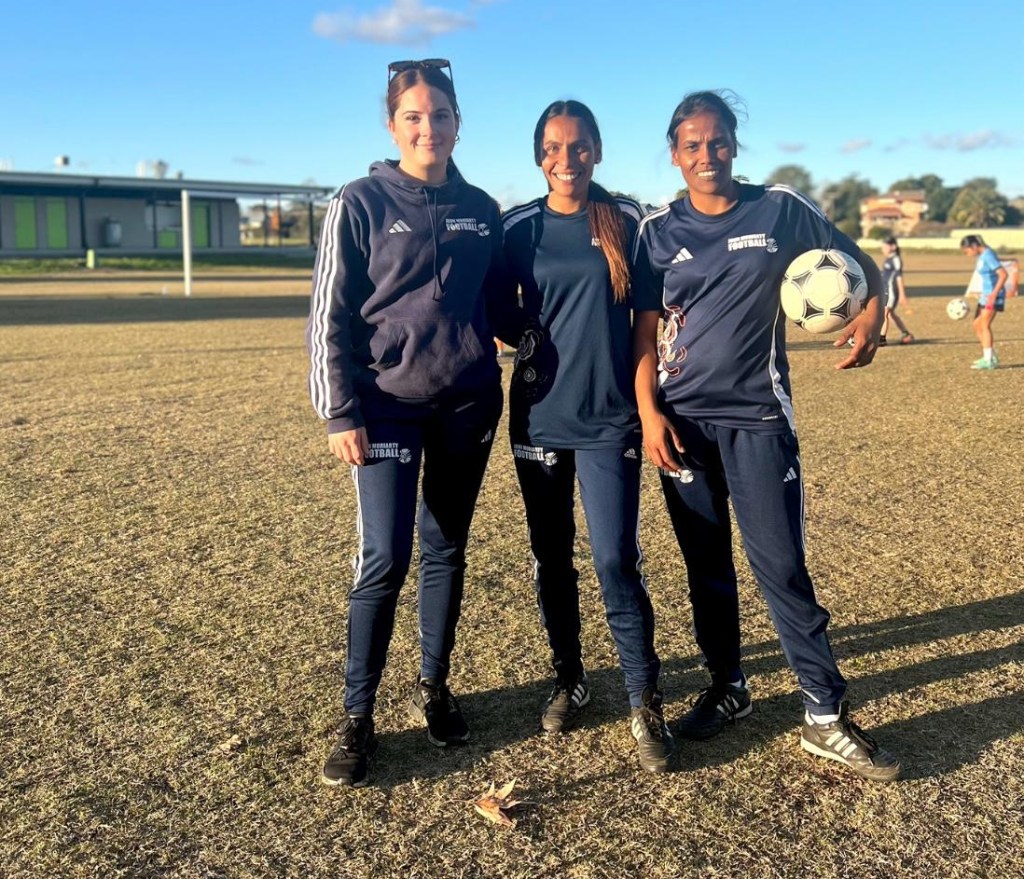
To Allira Toby, transformation means providing opportunities.
“Us doing what we do, it truly does transform lives,” Toby said.
“It transforms communities – especially the ones we work in. I think the benefits and impact of JMF are so clear: we provide positive and locally-led pathways that transform the lives of some of Austrlaia’s most vulnerable children and people. That is transformation perfectly summed up. This year’s theme embeds what we want to do on a day-to-day basis.
“We deliver every day in remote and rural communites, some of which are 12 hours from the closest city. Their access to things isn’t simple and the support goes straight to them, straight into our programs, to our children and communities.
“All of the pathways we create for those people. It really does create better lives for thousands and thousands of people who wouldn’t have the same access and opportunities if it wasn’t for the foundation operating in those communities.”
Donate to John Moriarty Football today
How you can support John Moriarty Football
For just $50/month, you can support an Indigenous child in remote Australia to participate in John Moriarty Football’s transformational football skills program, supporting them to attend more days of school, build resilience and access pathways to new opportunities. morri
Together we can create a future where Aboriginal and Torres Strait Islander children thrive.